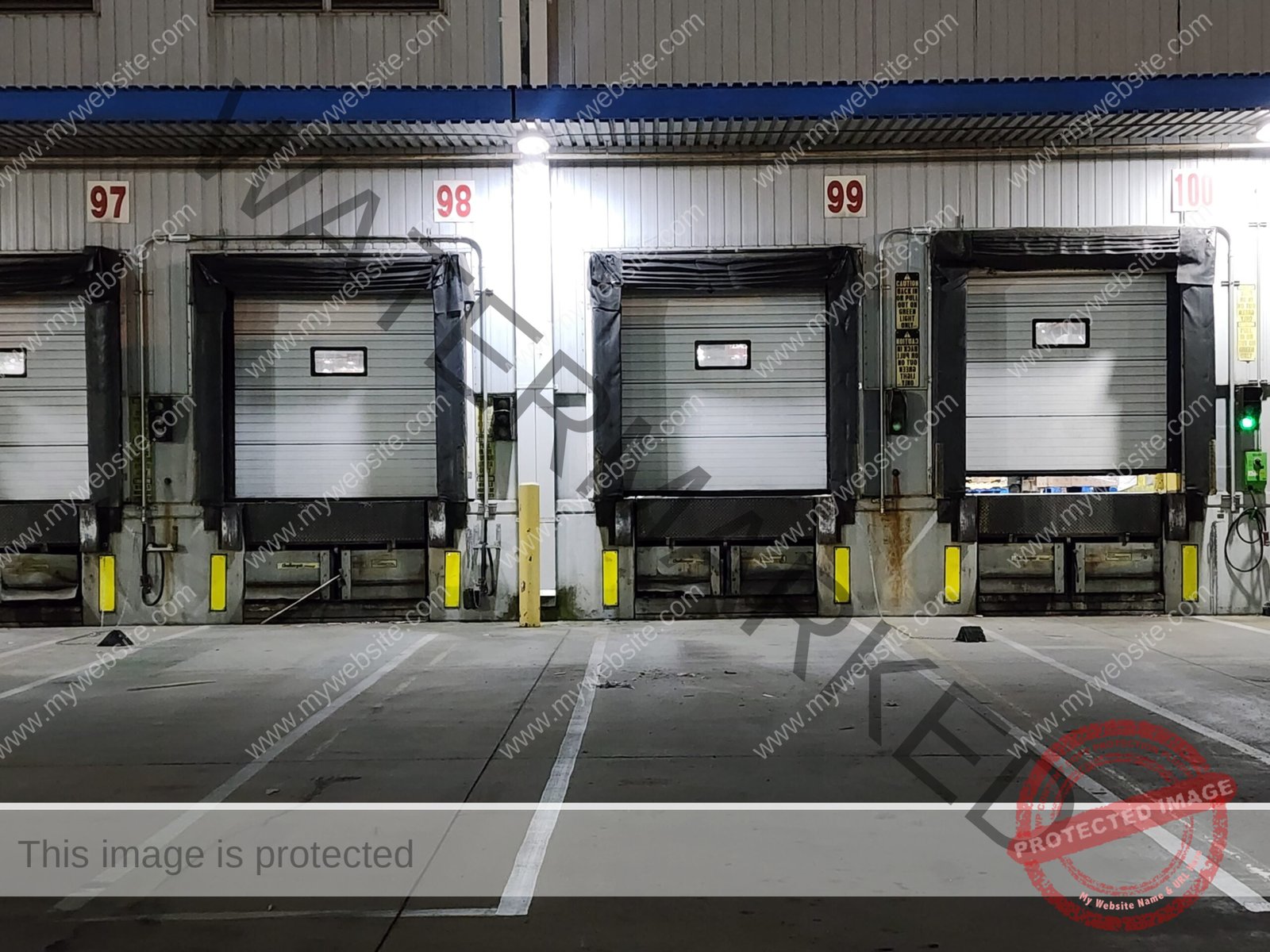
Expedited freight is a transportation service that offers delivery at a faster pace than standard options. The demand for quick and efficient delivery of goods plays a crucial role in ensuring the smooth functioning of a business.
Using Expedited & Parcel Delivery
In the competitive landscape of e-commerce, delivery speed has become a pivotal factor influencing consumer decisions and business strategies. As customer expectations continue to evolve, the demand for expedited and parcel delivery services has surged, compelling businesses to adapt their logistics and shipping methods.
Understanding Expedited and Parcel Delivery
Expedited delivery refers to shipping services that prioritize speed, ensuring that packages arrive at their destinations faster than standard delivery methods. The process can range from next-day delivery to same-day service, depending on the urgency of the shipment. Parcel delivery, on the other hand, encompasses the broader category of shipping goods, typically involving smaller packages sent through various carriers.
The Evolution of Consumer Expectations
Over the past few years, there has been a significant shift in consumer expectations regarding delivery times. With giants like Amazon setting the standard for rapid shipping, customers now anticipate receiving their orders within days, if not hours. According to recent surveys, nearly half of online shoppers expect their packages to arrive within two to three days, while a growing number are even demanding same-day delivery options.
Technology in Delivery Services
Improvements in technology have been crucial for making expedited and parcel delivery faster and more efficient. Companies are utilizing data analytics, AI, and real-time tracking systems to enhance their logistics efficiency. These technologies speed up delivery and make things more clear, which lets customers track their orders as they are being delivered. Additionally, it can also improve communication with customers, providing them with real-time updates on their orders.
Benefits of Expedited Delivery
One of the most significant advantages of offering expedited delivery is the boost in customer satisfaction. Fast shipping options cater to the immediate needs of consumers, fostering a positive shopping experience. When customers receive their orders promptly, they are more likely to return for future purchases, leading to increased customer loyalty and retention.
Customer Loyalty & Retention
Fast delivery has a direct correlation with customer loyalty. Research indicates that consumers are more likely to remain loyal to brands that consistently meet their delivery expectations. By offering expedited shipping options, businesses can foster long-term relationships with their customers, leading to repeat purchases and positive word-of-mouth referrals.
Competitive Advantage
In a saturated market, businesses that provide expedited shipping can differentiate themselves from competitors. By offering faster delivery options, companies can attract more customers, particularly those who prioritize speed and convenience. This competitive edge can lead to increased market share and revenue growth.
Increased Sales and Conversion Rates
Studies have indicated that consumers are more inclined to complete a purchase when they see expedited shipping options available. The promise of quick delivery can reduce cart abandonment rates, encouraging customers to finalize their transactions. As a result, businesses can experience higher sales volumes and improved conversion rates.
Influencing Purchase Decisions
The speed of delivery can significantly influence consumer purchase decisions. Customers are often willing to pay extra for expedited shipping, especially for time-sensitive items. Businesses that offer flexible shipping options, including expedited services, can cater to a broader range of customer needs, thereby increasing their sales potential.
Brand Perception
The delivery experience is an important part of the customer journey. People’s first impressions of a brand can be affected by the delivery. Problems or delays can hurt a brand’s reputation, but on-time, perfect delivery can help it. Businesses that focus on quick delivery and customer satisfaction can improve their brand image and stand out in the market.
Strategies for Successful Deliveries
Before implementing expedited delivery options, businesses should assess the demand among their customer base. Understanding the preferences and expectations of target consumers can help companies tailor their shipping strategies effectively. Conducting surveys or analyzing purchase patterns can provide valuable insights into customer needs.
Collaborating with Reliable Carriers
Partnering with reputable carriers that specialize in expedited shipping can help businesses streamline their delivery processes. Reliable logistics providers have the infrastructure and expertise to handle time-sensitive shipments, ensuring that packages reach their destinations promptly. Negotiating favorable contracts with carriers can also help manage shipping costs.
Investing in Technology
To make faster delivery even more efficient, companies should use digital software that helps with logistics. Using sophisticated tracking systems, automated order processing, and inventory management tools can help make things easier and speed up the work that needs to be done. Digital tools facilitate easier communication with customers by providing them with real-time updates on their orders.
The Importance of Flexibility
Flexibility in delivery options will be crucial for businesses looking to thrive in the future. Offering a range of shipping choices, from standard to expedited services, allows companies to cater to diverse customer preferences. This adaptability can help businesses stay competitive in an ever-changing market landscape.
Identify Trends
As consumer expectations continue to evolve, several trends are shaping the future of expedited and parcel delivery. The rise of same-day delivery services, the integration of drones and autonomous vehicles, and the increasing demand for sustainable shipping practices are all influencing how businesses approach their logistics strategies.
Embracing Sustainability
With growing environmental concerns, consumers are becoming more conscious of the sustainability of their purchases. Businesses that adopt eco-friendly shipping practices, such as using electric vehicles or implementing carbon offset programs, can appeal to environmentally conscious consumers while also enhancing their brand reputation.
Challenges for Expedited Delivery
Managing expedited delivery can introduce logistical challenges for businesses. Coordinating timely shipments, especially during peak seasons, requires careful planning and execution. Companies must ensure that their supply chains are robust enough to handle the demands of fast shipping without compromising on service quality.
Higher Operational Costs
While expedited delivery offers numerous benefits, it also comes with increased operational costs. The need for faster shipping often requires businesses to invest in additional resources, such as advanced logistics systems, transportation vehicles, and staffing. These expenses can strain profit margins, particularly for small and medium-sized enterprises.
Risk of Inconsistency
Despite the best efforts to ensure timely delivery, external factors such as weather conditions, traffic delays, and supply chain disruptions can lead to inconsistencies. Customers may become dissatisfied if their expectations for expedited delivery are not met, resulting in negative reviews and potential loss of business.
Conclusion
In conclusion, the impact of expedited delivery on businesses is profound and multifaceted. While it presents numerous benefits, such as enhanced customer satisfaction and competitive advantage, it also poses challenges that require careful management. By understanding consumer expectations, investing in technology, and collaborating with reliable carriers, businesses can successfully navigate the complexities of expedited delivery. As the e-commerce landscape continues to evolve, companies that prioritize fast and reliable shipping will be well-positioned to succeed in the marketplace.