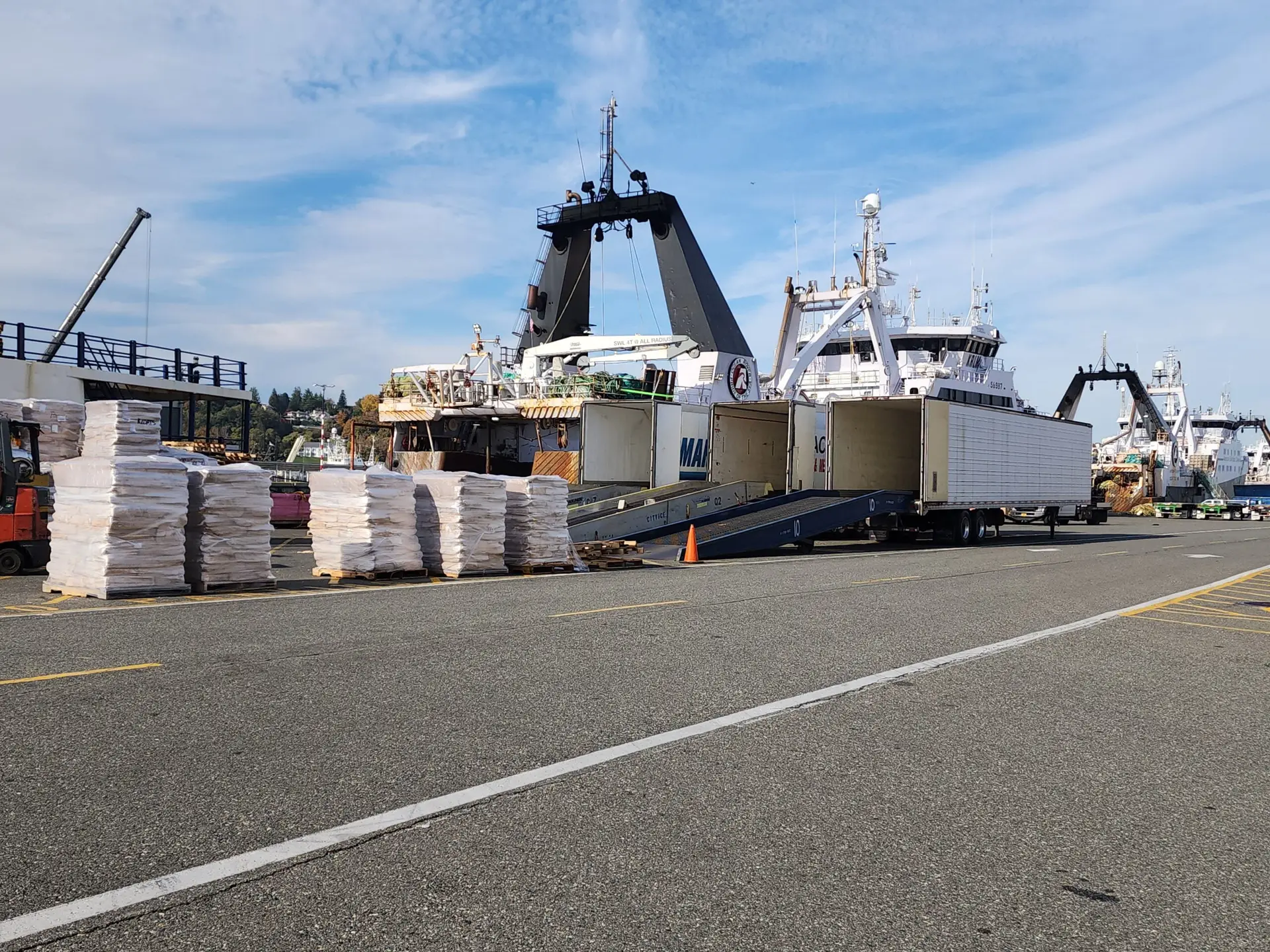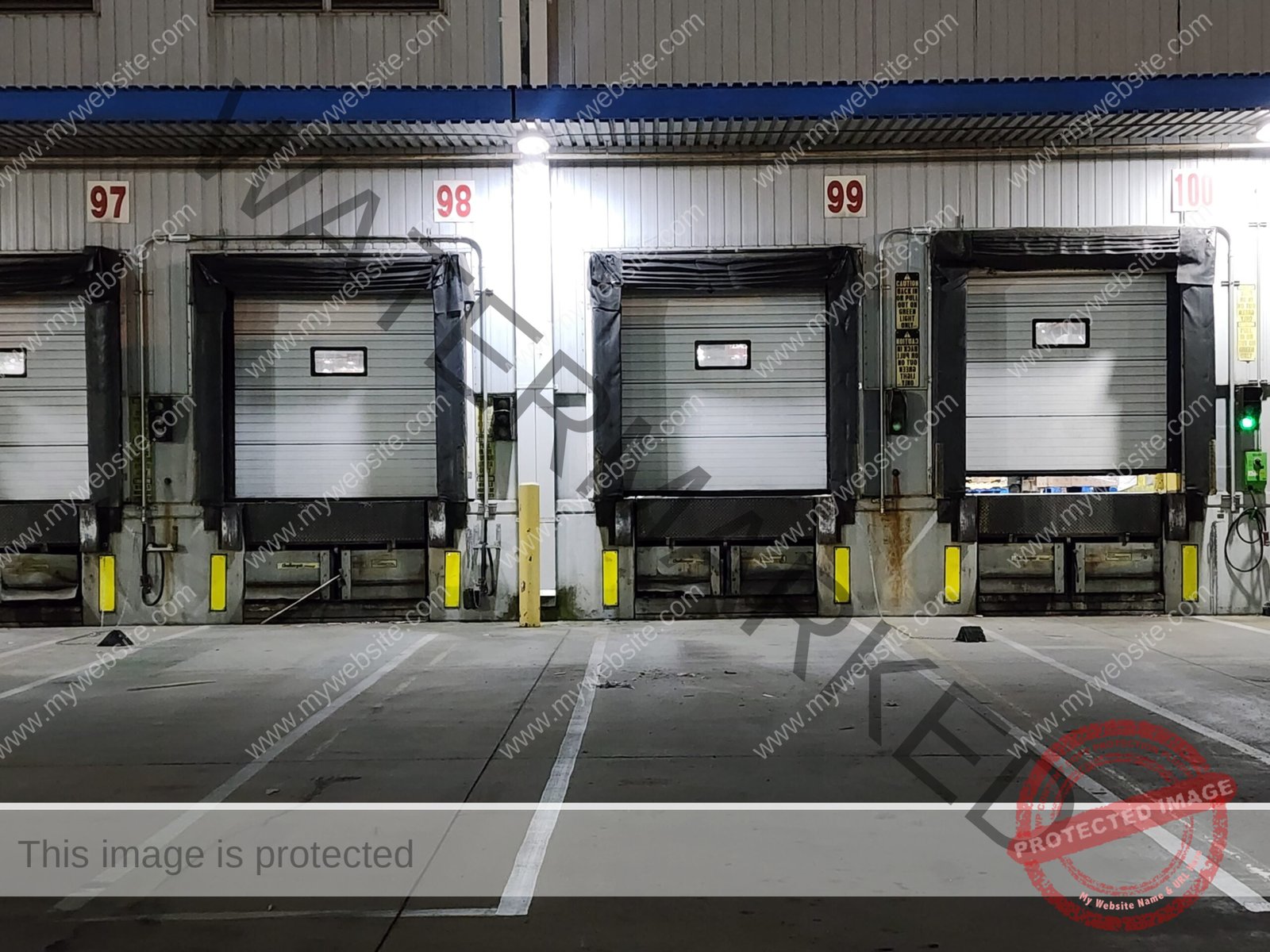
It’s important to know about the different types of facilities, such as warehouses, and what they’re used for in today’s fast-paced business world so that operations run more smoothly and efficiently. Each type serves a unique purpose, catering to different business needs and industry requirements. From traditional storage facilities to cutting-edge automated solutions, the world of warehousing has evolved to meet the ever-changing demands of modern commerce.
Distribution centers (DCs) are the most important parts of modern supply chains. They are where products are received, stored, and sent to different places. These facilities play a pivotal role in ensuring that goods flow smoothly from manufacturers to retailers and, ultimately, to end consumers.
These facilities are different from traditional warehouses because they are built for operations that are fast-paced and high-volume. They often employ advanced technologies and sophisticated inventory management systems to process orders quickly and efficiently. In today’s competitive market, where customers expect quick deliveries and real-time order tracking, this quick turnaround is necessary.
Businesses that need storage space but don’t want to pay for their own buildings can use public warehouses, because they’re flexible and a cost-efficient option. These types of facilities provide storage and handling services to multiple clients, allowing you to scale your storage needs up or down based on demand fluctuations.
One of the main benefits of public warehouses is their flexibility. You can rent space on a short- or long-term basis, making it ideal for seasonal businesses or those experiencing rapid growth. This adaptability allows you to manage inventory levels more efficiently while avoiding the significant capital investment required to build and maintain a private warehouse.
However, it's important to note that public warehouses may have limitations in terms of customization and control over operations.
Private warehouses are facilities owned and operated by a single company and specifically designed to meet their storage and distribution needs. These warehouses offer the highest level of control and customization, allowing you to tailor every aspect of the operation to your unique business needs.
When you choose a private warehouse, you have complete control over the facility’s layout, equipment, and processes. This level of control can be particularly beneficial for companies with specialized storage requirements, such as those dealing with hazardous materials or highly regulated products.
While private warehouses have many advantages, they also require a significant initial investment and ongoing maintenance costs. Before committing to this option, carefully analyze your long-term storage needs and financial capabilities to ensure it’s the right choice for your business.
Bonded warehouses play a crucial role in international trade, providing secure storage for imported goods that have not yet cleared customs or paid duties. These facilities operate under the supervision of customs authorities, allowing businesses to defer payment of import taxes and duties until the goods are released for domestic consumption or re-exported.
Bonded warehouses are particularly beneficial for businesses engaged in global trade, as they provide a buffer between international shipments and local distribution. This can help you manage cash flow more effectively and respond quickly to market demands in different regions.
Cold storage warehouses are specialized facilities designed to maintain specific temperature ranges for storing temperature-sensitive products. These warehouses are essential for industries dealing with perishable goods, such as food and pharmaceuticals, ensuring that products remain fresh and safe throughout the supply chain.
By leveraging cold storage warehouses effectively, you can extend product shelf life, reduce spoilage, and ensure compliance with stringent quality standards in temperature-sensitive industries.
Cross-docking facilities are designed to minimize storage time and handling by transferring incoming shipments directly to outgoing vehicles. This streamlined approach is particularly effective for businesses dealing with time-sensitive or high-volume products, as it significantly reduces transit times and storage costs.
By incorporating cross-docking into your distribution strategy, you can significantly improve supply chain speed and efficiency, resulting in higher customer satisfaction and lower operational costs.
With the rise of e-commerce, fulfillment centers have grown in importance, serving as dedicated facilities for processing online orders and shipping them directly to customers. These centers are designed to handle large volumes of small, individual orders efficiently, making them critical for businesses operating in the digital marketplace.
Automated warehouses are at the cutting edge of inventory management, leveraging advanced robotics, artificial intelligence, and data analytics to streamline operations and maximize efficiency. The purpose of these state-of-the-art facilities is to minimize human intervention, reduce errors, and significantly accelerate processing times.
While the initial investment in automated warehouses can be substantial, the long-term benefits in terms of efficiency, accuracy, and scalability make them an attractive option for businesses looking to future-proof their operations.
Bulk storage facilities are designed to hold large amounts of raw materials or loose goods, such as grains, coal, or chemicals. They often include silos, tanks, and open storage yards.
These are towering structures that can reach heights of over 100 feet. They use complex pneumatic conveying systems and temperature monitoring technologies to keep wheat, corn, and soybeans fresh for months.
They employ sophisticated leak detection systems and floating roof designs that minimize environmental impact by reducing vapor emissions by up to 95%.
Chemical storage facilities
They are the pinnacle of safety engineering, with multiple containment barriers, automated fire suppression systems, and real-time atmospheric monitoring that can detect dangerous gas concentrations in seconds. Modern designs use renewable energy systems and smart sensors to optimize storage conditions and reduce operational costs by 30-40%, making these facilities essential.
Lorem ipsum dolor sit amet, consectetur adipiscing elit. Ut elit tellus, luctus nec ullamcorper mattis, pulvinar dapibus leo.
Providing a centralized location for storing and managing goods, facility use is vital for enhancing inventory control. It empowers businesses to effectively organize and monitor their inventory, ensuring accurate stock levels and minimizing the risk of product shortages or overstocking. In addition, warehousing facilitates effective order fulfillment and enables businesses to quickly respond to customer demands by having readily available inventory. By implementing proper inventory control practices via warehousing, businesses can boost their production and supply operations as well as their overall efficiency.
Selecting the appropriate warehouse type is a critical decision that can significantly impact your business’s efficiency and bottom line. To make the right choice, you’ll need to carefully assess your specific needs, considering factors such as:
Technology is critical in modern warehousing operations. Advanced warehouse management systems (WMS) simplify inventory tracking and improve accuracy by utilizing technologies such as barcode scanning, RFID tagging, and automated material handling equipment. These technologies provide real-time visibility into stock levels while also reducing human errors and enhancing overall operational efficiency. Furthermore, the integration of cloud-based platforms and data analytics provides improved demand forecasting, storage space optimization, and order fulfillment improvements. Businesses can meet their goals by leveraging technology in warehousing.
Regardless of the warehouse type you choose, implementing a robust Warehouse Management System (WMS) is crucial for optimizing operations and maintaining efficiency. A WMS is a software solution that helps you manage and control day-to-day warehouse operations, from inventory tracking to order fulfillment.
Using a powerful WMS, you can streamline operations across multiple warehouse types, ensuring maximum efficiency and productivity throughout your supply chain.
As you look to the future, it’s essential to stay informed about emerging trends in warehouse design and technology. These innovations have the potential to revolutionize the way businesses manage their storage and distribution operations.
AR technology can improve picking accuracy and efficiency by providing visual guidance to warehouse workers.
In urban areas with limited space, multi-story warehouses will become more common, maximizing storage capacity in a smaller footprint.
Smart sensors and connected devices will provide real-time visibility into warehouse operations, enabling predictive maintenance and enhanced inventory tracking.
Future warehouses will incorporate eco-friendly features such as solar panels, energy-efficient lighting, and water conservation systems.
Implementing blockchain can enhance supply chain transparency, traceability, and security.
By staying ahead of these trends and adopting relevant technologies, you can position your business for long-term success in an increasingly competitive marketplace.
Strategically placing facilities in key regions helps companies reach target markets quickly and cheaply. Additionally, supply chains need distribution centers to store, sort, and ship goods. Logistics companies operate public warehouses with easy access to highways, ports, and airports. Major corporations run exclusive-use private facilities to manage their supply chains and goods. Without customs fees, bonded warehouses store imported goods, improving cash flow and cutting costs. By controlling temperature and humidity, climate-controlled warehouses preserve perishable goods. Modern smart warehouses improve inventory management, order fulfillment, and logistics with AI and robotics. Warehouses with smart storage maximize space and reduce human errors, improving productivity and customer satisfaction. Consolidated warehouses simplify operations and reduce costs by centralizing inventory management from multiple suppliers or manufacturers. Small shipments are combined for full truckloads to a similar location.