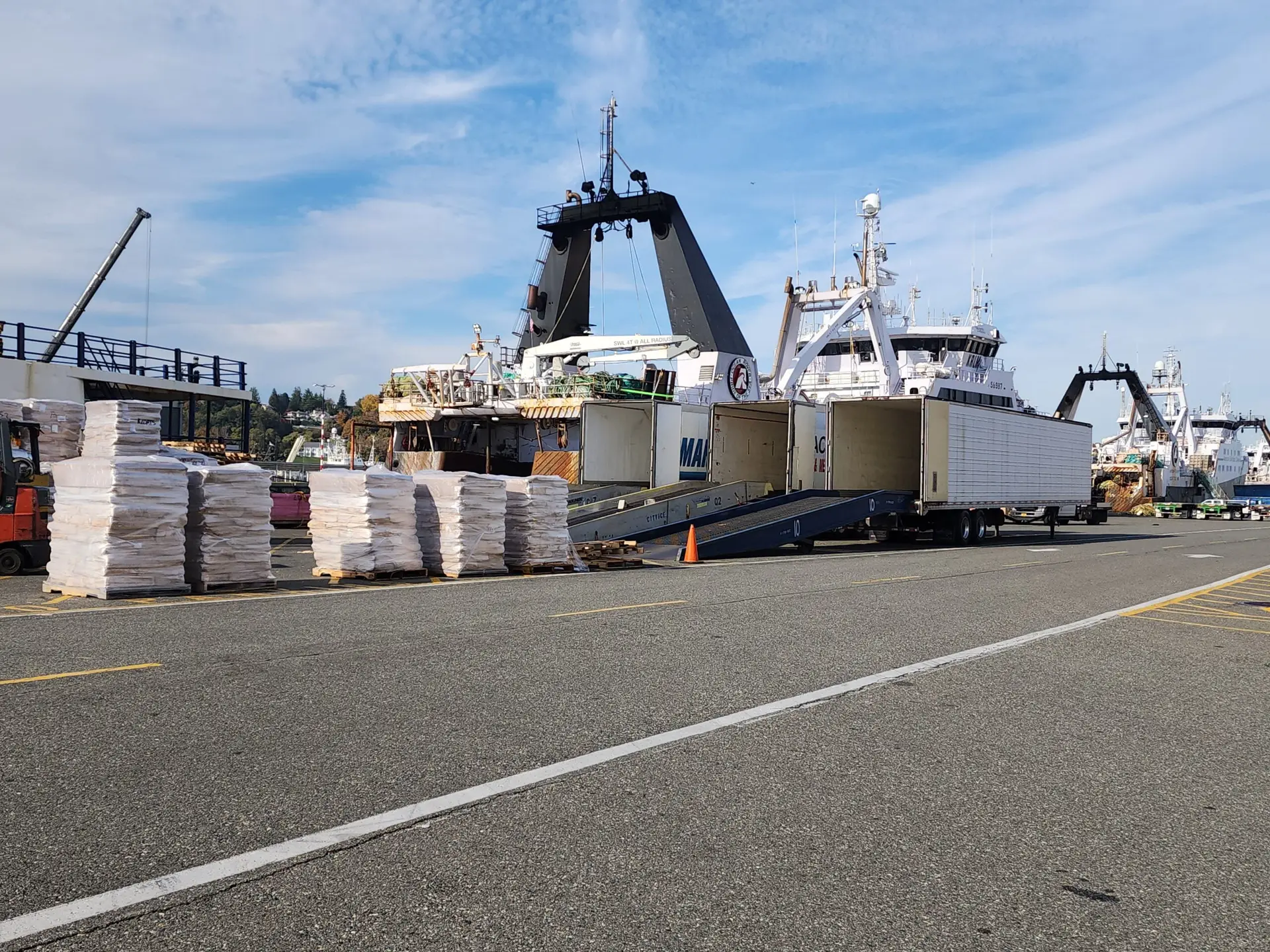
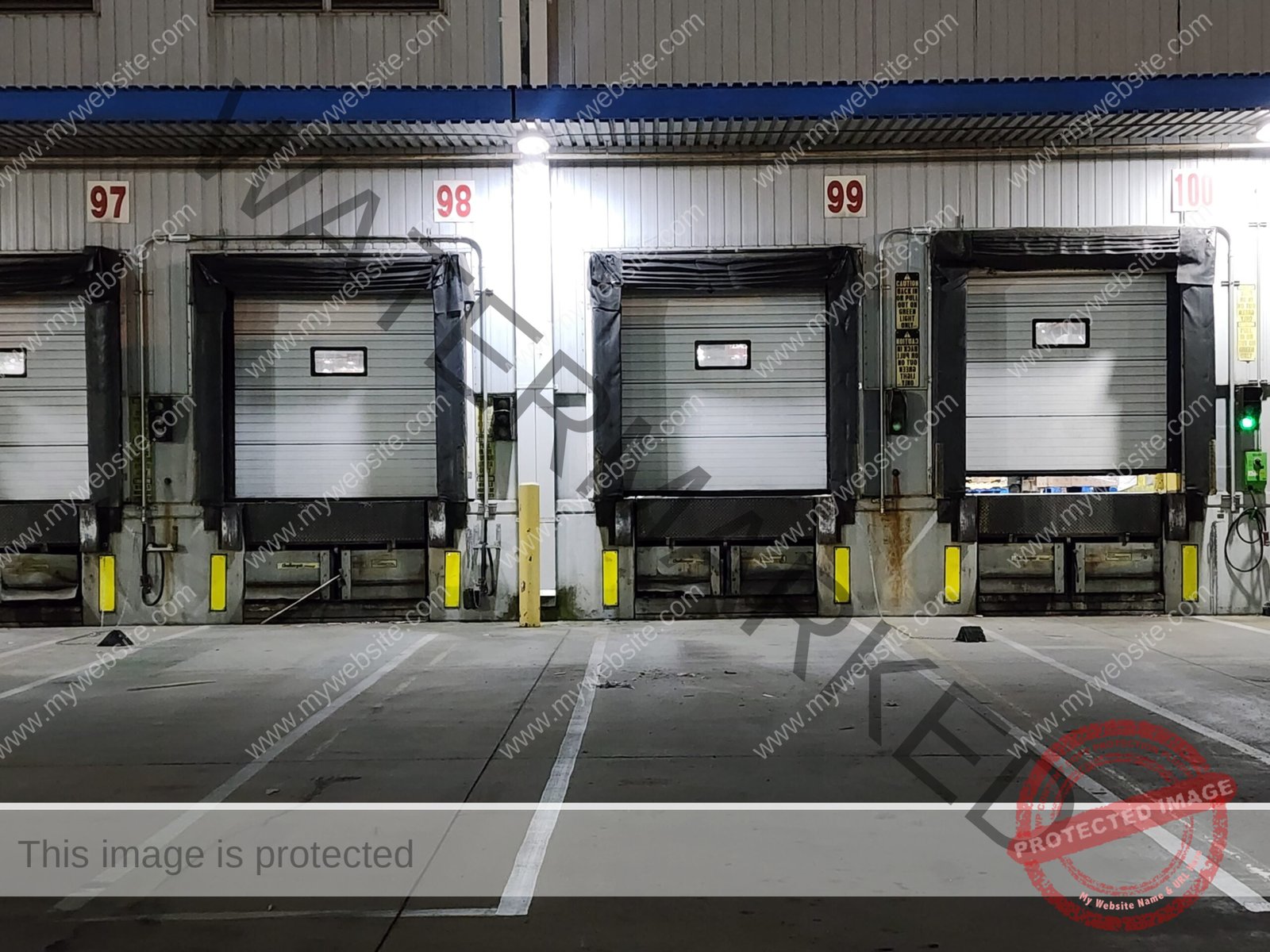
The maritime transport network serves as the backbone of global commerce, with ports and railyards acting as the critical connection points that determine how goods flow across continents.
Ports & Railyards
Transportation of goods by sea and rail is the heart of international trade. Port and rail freight is a necessity in the movement of goods across countries and continents. Ports are the hubs for incoming ships that carry goods, such as cargo ships, barges, and container ships. Ports may offer services such as customs clearance, documentation, warehousing, and terminal operations.
Railyards
Rail freight involves the movement of goods via train. Trains can carry large volumes of goods over long distances in a cost-effective manner. Railroads may be the most efficient mode of transportation for long-distance freight. Trains also produce lower carbon emissions and reduce traffic congestion than road transportation. Rail services include intermodal services and bulk transport. Many ports have rail yards, making rail a preferred mode of transportation for port freight. This integration helps to enhance logistics connectivity and boost supply chain efficiency.
Ports are classified by cargo they handle and serve different roles in the global supply chain. These facilities require specialized infrastructure, including container cranes, stacking yards, and intermodal connections to efficiently process these uniform units.
In contrast, bulk ports handle unpacked cargo in loose form. They are divided into dry bulk terminals (coal, grain, iron ore) and liquid bulk terminals (petroleum, chemicals, natural gas). Unlike container ports, bulk terminals specialize in specific commodities and use conveyor belts or pumping systems to load them. In fact, operational differences between these port types extend to their vessels as well. Container ships prioritize speed and schedule reliability; contrarily, bulk carriers move at slower speeds, prioritizing economy and safety over speed.
The efficiency of these ports significantly impacts global trade costs. Unfortunately, ports and terminals, especially container facilities, cause most shipment delays, supply chain disruptions, and extra costs. Accordingly, port performance has become so critical that organizations like the World Bank now track efficiency metrics for nearly 350 global ports through the Container Ports Performance Index.
Containers, Strategy & Economics
The standardized shipping container has fundamentally altered global trade patterns since its introduction in the 1950s. This 20- or 40-foot metal box has changed port hierarchies and economic relationships worldwide. Major trade ports function as economic powerhouses that extend far beyond their physical boundaries. Their economic impacts ripple through national economies, creating jobs and generating substantial value across multiple sectors.
TEU-to-GDP Multiplier in Global Trade
The relationship between container growth and economic growth reveals a fascinating evolution in global trade patterns. Economists track this relationship using the TEU-to-GDP multiplier—the ratio between container throughput growth and GDP growth rates. This indicator offers informative details about how trade patterns have transformed over decades. Most notably, 2022 represented a historic threshold with the multiplier nearly reaching zero for the first time—a stark contrast to the 3.5 ratio typical in the 2000s.
Transshipment Growth: Handling Global Container Traffic
Transshipment, the practice of transferring containers between vessels at intermediate ports, has become increasingly central to global shipping networks. This process creates a hub-and-spoke system similar to passenger air travel, where smaller feeder vessels bring cargo to central hubs for transfer to larger vessels bound for distant destinations. In transshipment centers, empty containers may constitute up to 40% of traffic. Although these empty containers represent significant movement, they generate limited economic value beyond terminal operations and ancillary services.
The growth of transshipment reflects container movement as a transformative impact on supply chains. As manufacturers and retailers developed increasingly complex international production networks, particularly from the 1980s onward, they could arrange to make products wherever production costs were lowest. This fragmentation of production processes across multiple countries would have been economically unfeasible without container shipping’s dramatic reduction in transportation costs.
Port Industrial Clusters: Economic Opportunities
Trade ports naturally attract interconnected business activities, creating powerful economic clusters. These port clusters consist of geographically concentrated and mutually related business units centered around trade facilitation and industrial production, as well as transport, maritime, and logistics services. Ports concentrate activities and provide significant scale and scope advantages related to physical cargo flows. This clustering increases intermodal cargo bundling and global market connectivity through frequent transport services.
More than 80% of global merchandise trade via volume travels via sea routes. The economic gravity of major trade ports shapes national economies and global trade patterns.
Strategy in Port Use: Friendshoring
Geopolitical tensions currently reshape maritime trade networks, forcing logistics ports to adapt to new realities in international relations. As nations prioritize security and resilience, traditional trade patterns face unprecedented disruption.
Friendshoring, a strategy for relocating production and sourcing to countries with shared values and political interests, has emerged as a critical strategy for manufacturers seeking supply chain stability. This practice helps businesses shield themselves from disruptions caused by geopolitical tensions and trade disputes. As a result, U.S. trade with Mexico, Canada, and European Union countries has grown recently, while trade with China continues to decline.
Equally important, concerns about foreign involvement in strategic port assets have prompted policy shifts. For example, in Europe, increased Chinese investment in seaports has raised alarms about strategic autonomy. The European Union now faces pressure to develop a comprehensive framework for managing foreign involvement in ports, as individual member states’ approaches to these investments may undermine collective security interests.
Chokepoints: Critical Global Checkpoints
Maritime chokepoints represent critical vulnerabilities in global trade routes. The Suez Canal, which normally handles about 12–15% of worldwide trade and approximately 30% of global container traffic, saw volumes drop 50% in early 2024 due to Houthi attacks in the Red Sea. This disruption forced shipping companies to reroute vessels, increasing delivery times by 10 or more days.
Simultaneously, the Panama Canal, through which approximately 14% of all U.S. maritime trade transits, faces severe drought restrictions, reducing daily crossings by 33% from 36 to 24 ships since January 2024. For agricultural exports, this crisis created a dangerous domino effect, as U.S. grain exporters shifted from the Panama route to the Red Sea, only to encounter new threats.
The Strait of Malacca represents perhaps the most critical chokepoint globally, handling nearly one-third of global petroleum and liquids production. This narrow waterway, only 1.7 miles wide at its narrowest point, carries approximately $3.5 trillion in annual trade, including two-thirds of China’s maritime trade volume.
Impact of Trade Wars on Ports
Trade tensions have measurably impacted port operations worldwide. At Long Beach port in California, vessel cancelations now exceed levels seen during the COVID-19 pandemic. In early May 2024, the Port of Los Angeles expected 80 ships but saw 17 cancelations, with 10 more already scheduled for June.
Further north, the Port of Oakland experienced a 15% month-over-month drop in container activity in April 2024, its first significant decline that year as new tariffs took effect. The ripple effects extend beyond shipping volumes to employment. For example, the Port of Long Beach CEO noted that a 10% decline in cargo could mean a 10% reduction in jobs, potentially affecting 100,000 workers.
Digitalization & Automation in Ports
The digital transformation of logistic operations for ports is revolutionizing maritime trade operations through advanced technologies that boost efficiency, safety, and transparency across global supply chains.
Autonomous Cranes and AGVs
Ship-to-shore (STS) cranes now operate with unprecedented precision thanks to automation technology. Modern automated cranes perform up to 90% of work duties autonomously, with only the final container positioning guided by operators working from remote control rooms. This remote operation enhances safety and reduces maintenance costs as automated systems handle equipment more smoothly than human operators.
Automated Guided Vehicles (AGVs) transform container movement within terminals. Unmanned, autonomous vehicles transport containers between quayside and container yards at speeds up to 25 kilometers per hour. In addition, AGVs navigate with systems like GPS and 5G for localization and use LiDAR and radar for positioning and avoiding collisions. Transponders are embedded in terminal surfaces for a positioning accuracy of ±25 mm. Many AGVs now feature lithium-ion battery technology, offering significant environmental benefits, including zero emissions, reduced noise, and lower maintenance costs through simplified drive trains.
Port Call Efficiency
Just-in-Time (JIT) port calls represent a major focus for efficiency improvements. The Supply Chain Resilience Taskforce, formed in 2023 by international port organizations, works to enhance data quality for port call optimization. This collaboration directly responds to cargo owners’ demands for greater data visibility.
Digital twins, virtual replicas of physical port facilities, now enable simulation of different operational scenarios, helping terminal operators identify bottlenecks and optimize cargo flows through advanced data analytics.
Conclusion
Ports & Railyards undoubtedly serve as the cornerstone of global commerce, handling an overwhelming 80% of international trade volume. Throughout this examination of maritime networks, several critical patterns emerge that will shape trade routes for decades to come. As global trade evolves, these massive logistical hubs must balance competing demands for efficiency, security, and sustainability. How well goods flow between producers and consumers worldwide depends on their ability to adapt to changing economic landscapes, technological opportunities, and environmental pressures. Without question, the hidden economics of logistics ports will continue to shape world trade routes, strengthening connections between distant markets and driving prosperity across continents.