
Steel: Creating Durable Societies
From amazing skyscrapers to sleek cars, steel plays a major part in our everyday existence, showcasing human creativity and technological advancement.
From amazing skyscrapers to sleek cars, steel plays a major part in our everyday existence, showcasing human creativity and technological advancement.

Copper has played a significant role throughout history, from its use in ancient tools to its applications in modern technology across various industries.

Aluminum boasts distinctive characteristics and a fascinating history, significantly impacting both our present and future products.
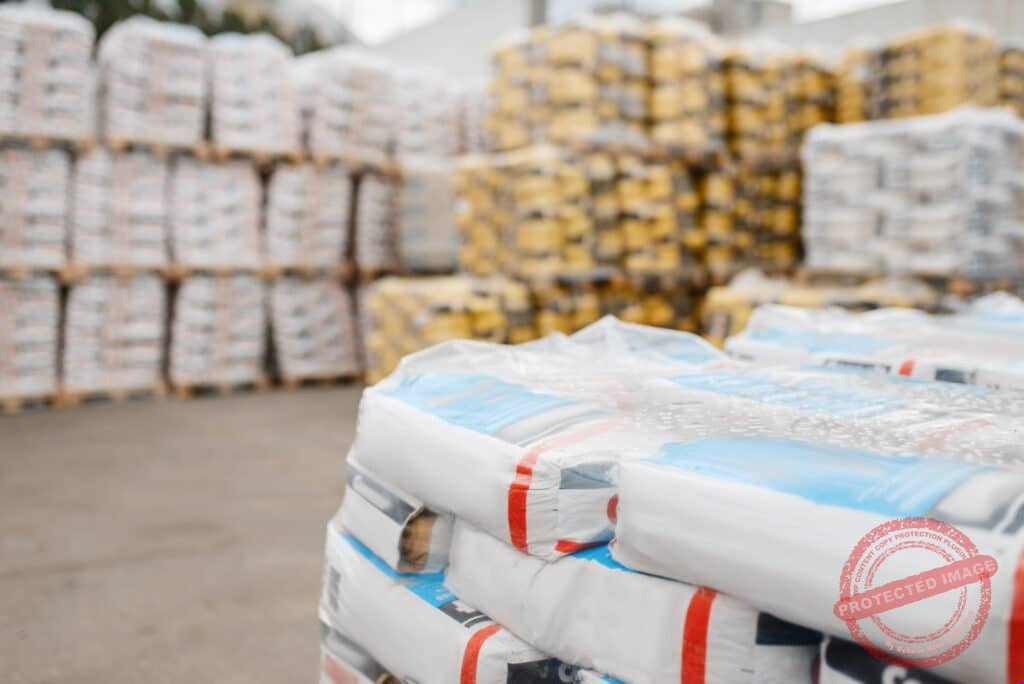
The foundation of any manufacturing process is the efficient management of raw materials. Each industry, from automotive to pharmaceuticals, encounters distinct challenges in sourcing, storing, and using raw materials.

Paper is manufactured using raw materials (mainly wood chips) and processed using four phases: pulping, papermaking, pressing/drying, and finishing. This industry is the backbone for a variety of industries, such as publishing, packaging, economics, hygiene, and the arts.
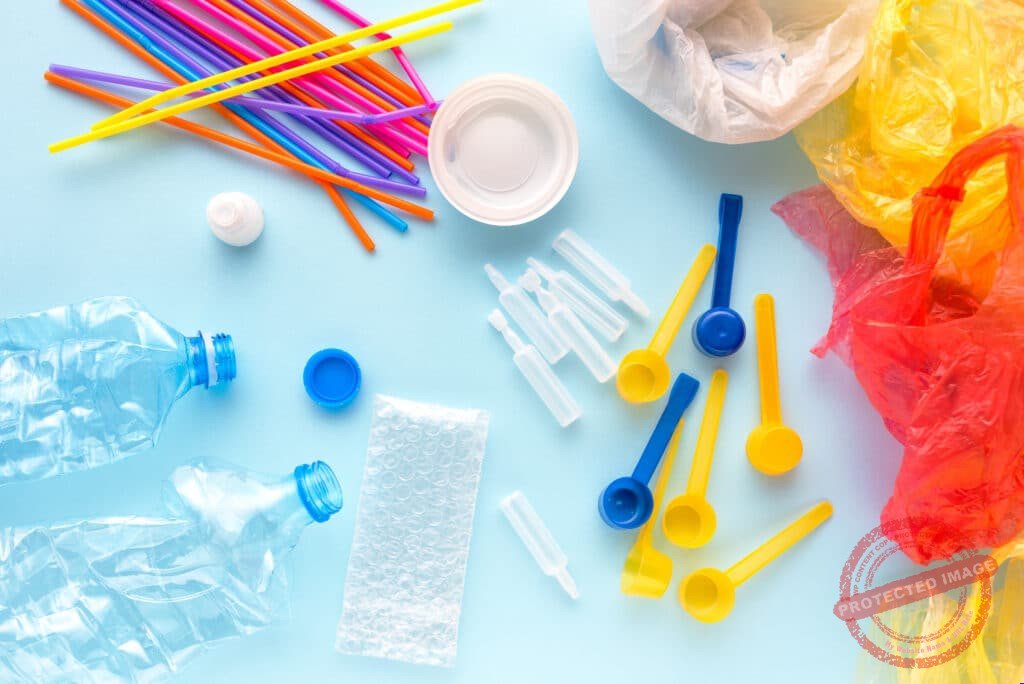
Plastics include a diverse array of synthetic or semi-synthetic materials with polymers as their primary component. Additionally, they have a wide range of applications in different industries, with packaging being the most prevalent use.

Rubber is important to the world in many ways and impacts various industries, such as transportation, healthcare, wellness, and technology.
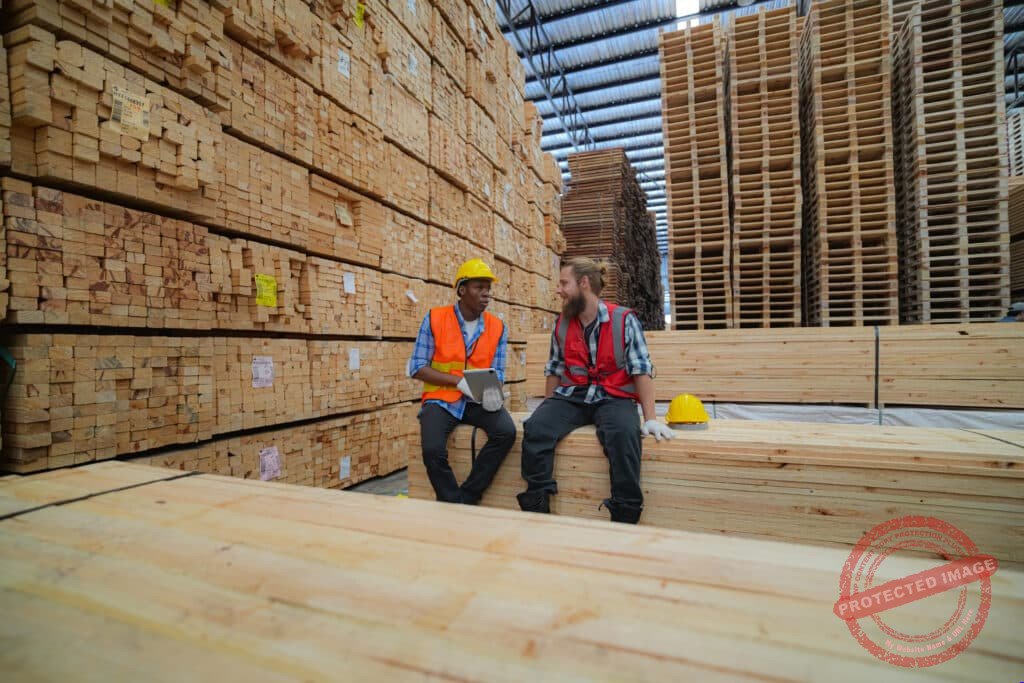
Wood is one of the most resourceful and renewable materials around the globe. Over 1,000 products are made from wood like building materials, furniture, paper, musical instruments, crates, pallets, boats, and much more.
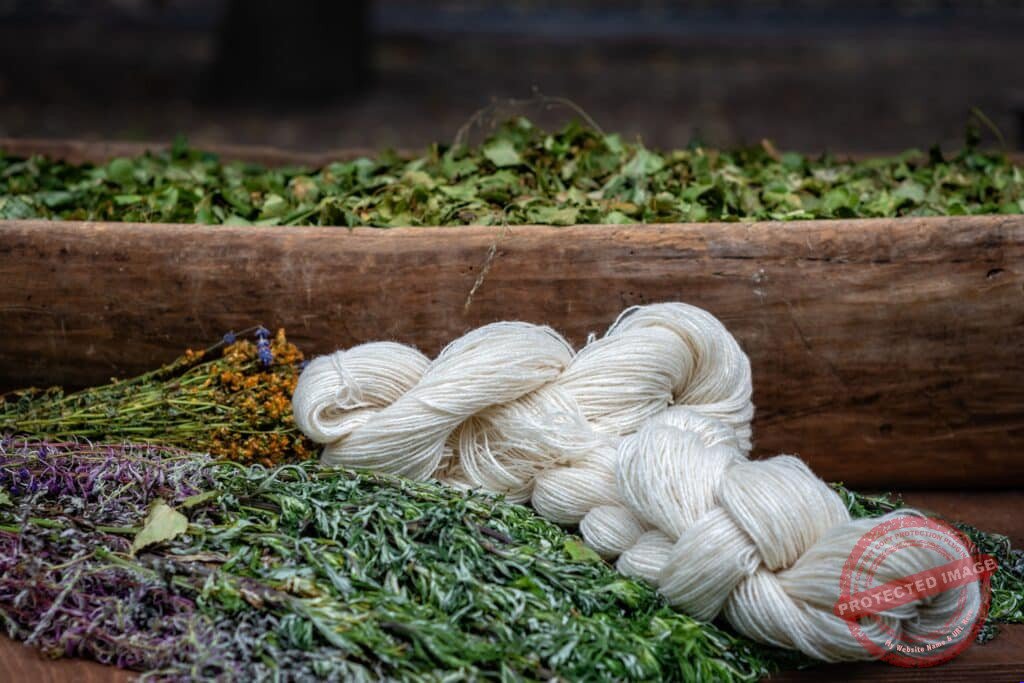
Natural fibers are obtained from sources, such as plants or animals. They provide essential benefits for industrial trade and environmental sustainability.
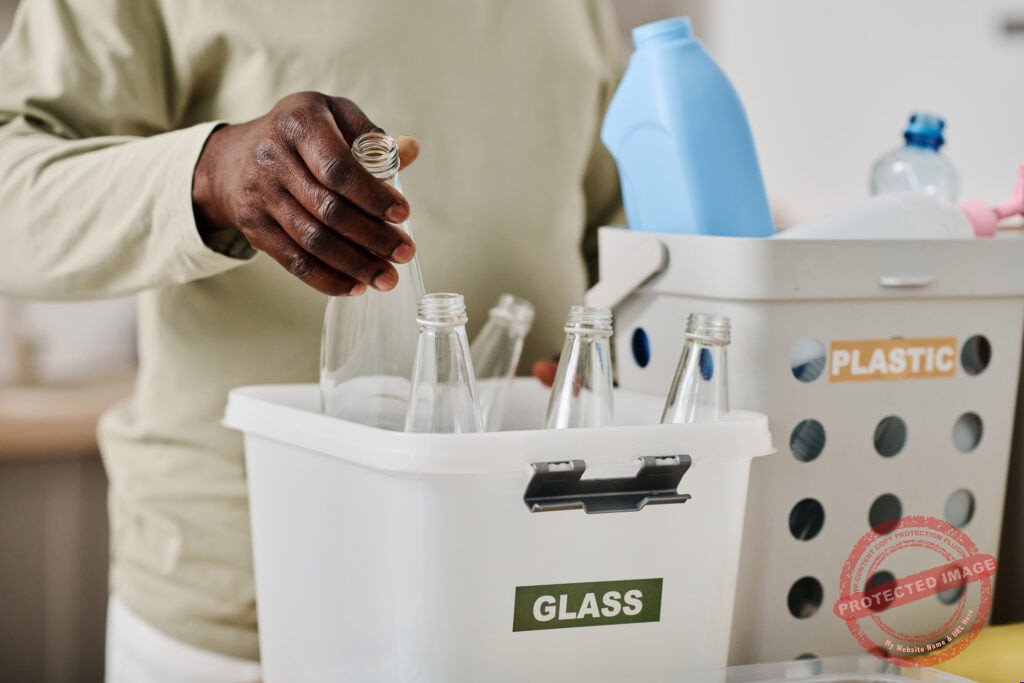
Glass plays a crucial role in various industries, including construction, automotive, telecommunications, and food and beverage packaging, remaining a vital component in our daily routines.