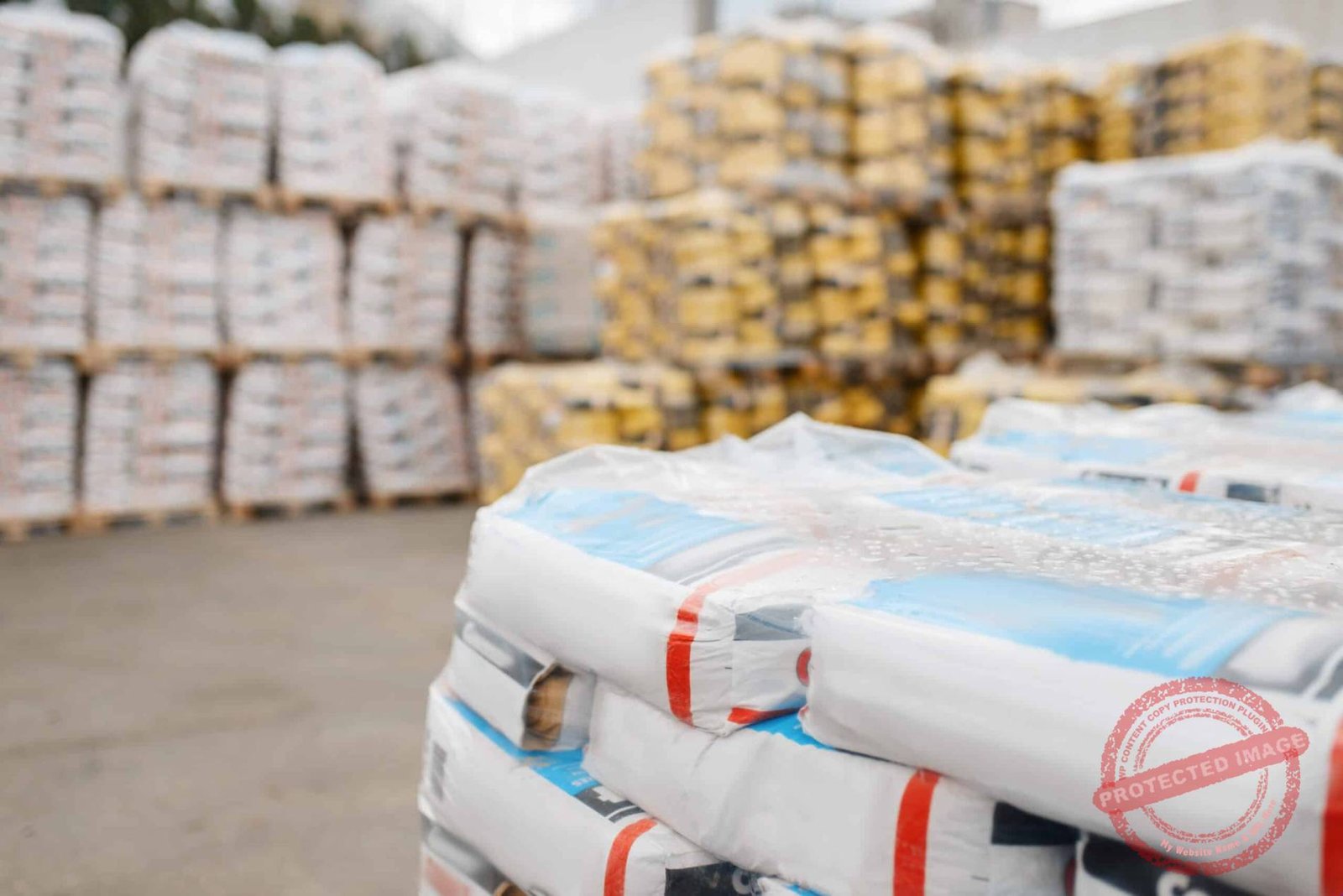
Material Insights: The Core of Production
The foundation of any manufacturing process is the efficient management of raw materials. Each industry, from automotive to pharmaceuticals, encounters distinct challenges in sourcing, storing, and using raw materials.
Understanding Raw Materials
Raw materials act as the basic building blocks that fuel production in various sectors. The raw or lightly processed materials serve as the foundation for a multitude of products, influencing not just manufacturing techniques but also the intricate logistics systems that strengthen international trade. Raw materials, whether sourced from the earth’s natural resources or synthesized in laboratories, exist in a variety of forms, each offering distinct challenges and opportunities within the supply-chain setting.
Types of Raw Materials
The term “raw materials” in logistics refers to a broad range of substances that are used as the foundation for different businesses. The materials can be classified into various groups, each possessing unique traits and specific logistical needs. For efficient supply chain management and the best possible resource allocation, it is necessary to understand these categories.
Natural Raw Materials
Natural raw materials are obtained straight from the environment, typically needing little processing prior to their application in manufacturing. This category encompasses resources like wood, which serves as the foundation of the lumber industry and plays a key part in both construction and paper manufacturing. A further illustration is natural rubber, sourced from rubber trees and essential for tire production as well as a range of industrial uses.
Water is frequently overlooked, yet it serves as a fundamental resource that plays a vital role in agriculture, food processing, and a variety of manufacturing operations. The transportation and storage of this material pose distinct challenges, particularly concerning its volume and the necessity for maintaining purity. In a similar vein, natural stone such as granite and marble, sourced from quarries, requires careful management in logistics because of its substantial weight and delicate nature.
Agricultural Raw Materials
The agricultural industry generates a diverse range of raw materials that are needed by numerous industries. Crops like cotton, flax, and hemp serve as primary fibers for the textile industry, with each type requiring tailored harvesting, storage, and transportation techniques to preserve their quality. Wheat, corn, and rice are vital not just as food sources but also as fundamental ingredients in a wide range of processed foods and biofuels.
Livestock plays a key part in this sector, providing vital raw materials such as leather sourced from animal hides, wool harvested from sheep, and a range of animal-derived products used for pharmaceuticals and cosmetics. The delicate characteristics of numerous agricultural raw materials require advanced cold chain logistics to maintain freshness and avoid spoilage throughout transit and storage.
Mineral Raw Materials
Mineral raw materials, obtained from mining activities, are essential to a wide range of industries. Metallic minerals like iron ore, copper, and bauxite, which is the main source of aluminum, are fundamental to metal production. They play a crucial role in industries such as construction, automotive manufacturing, and electronics. These materials frequently require specific transportation solutions because of their substantial weight and possible impact on the environment.
Included in this group are non-metallic minerals such as silica sand, which is necessary for the creation of glass, and limestone, which is used to make cement. The journey of mineral raw materials encompasses complex supply chains, beginning at extraction sites, moving through processing facilities, and ultimately reaching manufacturers. Effectively managing these materials is essential for ensuring a steady supply in sectors that depend significantly on mineral resources.
Synthetic Raw Materials
Innovations in chemical engineering have resulted in the creation of synthetic raw materials, providing customized properties for various applications. Plastics, originating from petrochemicals, account for a substantial share of this category. A wide array of plastics, including polyethylene, polypropylene, and PVC, play a major part in packaging, construction, and the manufacturing of consumer goods.
Synthetic fibers such as polyester and nylon have transformed the textile industry, providing a level of durability and versatility that natural fibers frequently fall short of achieving. The management of synthetic raw materials requires careful consideration due to their chemical properties, frequently demanding tailored storage solutions and transportation techniques to ensure safety and maintain integrity.
Procurement and Management Strategies
The efficient acquisition and oversight of materials play a key part in sustaining a competitive advantage in the rapidly evolving landscape of modern business. Through the adoption of thoughtful strategies for sourcing, managing, and leveraging raw materials, businesses can greatly enhance their operational effectiveness and financial performance.
Supplier Relationship Management (SRM)
Building strong, collaborative relationships with suppliers is fundamental to ensuring a reliable and efficient supply of raw materials. Effective SRM involves:
- Regular communication and performance reviews with suppliers
- Collaborative forecasting and planning to align supply with demand
- Joint innovation initiatives to improve product quality or reduce costs
- Implementing supplier development programs to enhance capabilities
By fostering long-term partnerships with key suppliers, companies can secure preferential treatment, better pricing, and more reliable supply, ultimately leading to improved raw material management.
Enhanced Visibility
Leveraging technology to gain real-time visibility into the raw material supply chain is crucial for effective management. Such insight can be achieved through:
- Implementation of Internet of Things (IoT) devices for tracking shipments and monitoring storage conditions
- Use of blockchain technology for enhancing traceability and transparency
- Adoption of cloud-based supply chain management platforms for seamless information sharing across the network
- Integration of artificial intelligence and machine learning for predictive analytics and demand forecasting
These technological solutions provide valuable insights that enable better decision-making and more efficient management of raw materials throughout the supply chain.
Lean Inventory Management
Adopting lean principles in raw material management can significantly reduce waste and improve efficiency. Key practices include:
- Implementing Just-in-Time (JIT) inventory systems to minimize holding costs
- Utilizing Kanban systems for visual inventory management and replenishment
- Conducting regular value stream mapping to identify and eliminate non-value-adding activities
- Applying 5S methodology (Sort, Set in Order, Shine, Standardize, Sustain) in storage areas for improved organization and efficiency
Lean practices help in reducing excess inventory, improving cash flow, and increasing overall operational efficiency in raw material management.
Strategic Sourcing
Developing a strategic approach to sourcing raw materials can lead to significant cost savings and improved supply reliability. This involves:
- Conducting thorough market analysis to identify potential suppliers and market trends
- Implementing category management strategies to optimize procurement across similar types of raw materials
- Utilizing e-procurement platforms for more efficient and transparent sourcing processes
- Exploring alternative materials or sources to reduce dependence on single suppliers or volatile markets
Strategic sourcing enables companies to make informed decisions about raw material procurement, balancing cost, quality, and reliability considerations.
Performance Measurment
Establishing a culture of continuous improvement in raw material management is essential for long-term success. This can be achieved through:
- Regular performance monitoring using key performance indicators (KPIs) such as inventory turnover, supplier lead times, and quality metrics
- Implementing Six Sigma or other quality management methodologies to reduce defects and variability in raw materials
- Conducting regular audits and assessments of raw material management processes
- Encouraging employee involvement in identifying and implementing improvement initiatives
By consistently measuring performance and seeking ways to improve, companies can ensure that their raw material management practices remain effective and competitive over time.
Risk Management and Contingency Planning
Developing robust risk management strategies is crucial for mitigating potential disruptions in raw material supply. Key elements include:
- Conducting regular risk assessments to identify potential vulnerabilities in the supply chain
- Developing and maintaining contingency plans for various scenarios, such as supplier failures or natural disasters
- Implementing dual sourcing strategies for critical raw materials to ensure supply continuity
- Utilizing financial instruments like futures contracts or options to hedge against price volatility
Effective risk management helps in building a resilient raw material supply chain that can withstand unforeseen challenges and maintain operational stability.
Supply Chain Dynamics
The significance of materials has an important role in defining the supply chain framework, impacting various aspects such as procurement approaches and production timelines, and ultimately determining the cost and availability of the final product. Effectively managing raw materials in the supply chain involves an integrated strategy that demands meticulous planning and execution to promote smooth operations and satisfy market needs.
Just in Time (JIT) Production
Managing raw materials effectively is essential for ensuring smooth operations and keeping expenses in check. Having too much inventory can lock up funds and raise storage expenses, whereas having too little can cause production holdups and missed sales chances. Numerous businesses implement Just-in-Time (JIT) production strategies to enhance their inventory control.
Quality and Traceability
The qualities of raw materials play an important part in determining the caliber of finished products, emphasizing the need for strict inspection procedures during every stage of the supply chain. To ensure the highest standards for raw materials, it’s essential to develop strong quality management systems that incorporate regular testing, thorough inspections, and certification procedures. Applying these strategies aids in minimizing defects in end products and lowers the chances of expensive recalls or harm to reputation.
Keeping track of the progression of raw materials is a key aspect of effective supply chain management. Tracking the origin and journey of raw materials throughout the supply chain is essential for ensuring regulatory compliance, upholding quality standards, and swiftly addressing any potential issues that may occur. Current advancements in supply chain technologies, including blockchain and IoT sensors, are continually used to improve traceability and transparency in the logistics of raw materials.
Price Volatility and Risk
The prices of raw materials can fluctuate considerably, shaped by multiple factors including geopolitical events, weather patterns, and fundamental global economic trends. Changes in this area may substantially impact production expenses and profit margins. To address these obstacles, businesses use a range of strategies, such as:
- Long-term contracts with suppliers to lock in prices
- Vertical integration to gain more control over raw material sources
- Developing alternative materials or processes to reduce dependence on volatile commodities
Successful risk control in sourcing raw materials depends on a blend of market insights, financial expertise, and thoughtful strategy. Businesses that effectively manage these obstacles can secure a notable edge over their competitors in their respective industries.
The Environmental Impact of Resources
Understanding these impacts can assist you in making more environmentally friendly choices as a conscious consumer.
Biodegradability
Biodegradability refers to the ability of a material to decompose through the action of living organisms, including bacteria, fungi, or water molds, allowing it to be reabsorbed into the natural environment. This term typically describes the process where microorganisms naturally decompose waste materials.
Carbon Footprint
The carbon footprint refers to the total amount of carbon dioxide (CO2) emissions linked to the activities of an individual or an entity, such as a building, corporation, or country. This includes direct emissions stemming from fossil-fuel combustion in areas like manufacturing, heating, and transportation, along with the emissions generated during the production of electricity linked to the goods and services we consume.
Resource Depletion
Resource depletion happens when both renewable and non-renewable natural resources become limited due to their consumption outpacing the rate at which they can regenerate. The concept of resource depletion often relates to the consumption of water, fossil fuels, trees, and fish populations. The depletion of these resources can be credited mainly to human activities.
Waste Generation
Waste generation refers to the production of waste resulting from human activity. This include consumption, industrial activities, and disposal. Waste may exist in solid, liquid, or toxic forms.
Energy Consumption
Energy consumption represents the total energy utilized to execute an operation, produce an item, or merely occupy a structure.
- Total energy consumption at a factory may be assessed by evaluating the energy utilized in a production process, such as the manufacturing of automobile components. This includes water, electricity, gas, and any energy source required to convert the raw material into the finished product.
- In a household, energy consumption includes electricity, gas, water, and any additional energy utilized for comfort.
- Transportation energy consumption includes the fuel used by diesel and gasoline vehicles for their operation.
Conclusion
Proper raw material management is fundamental to success in any manufacturing or production industry. By implementing a detailed plan for raw material management and consistently adjusting to market changes, businesses can create strong and efficient supply chains that foster long-term growth and success. Mastering raw material management in your industry requires understanding your unique challenges and creating tailored solutions to meet your specific needs.