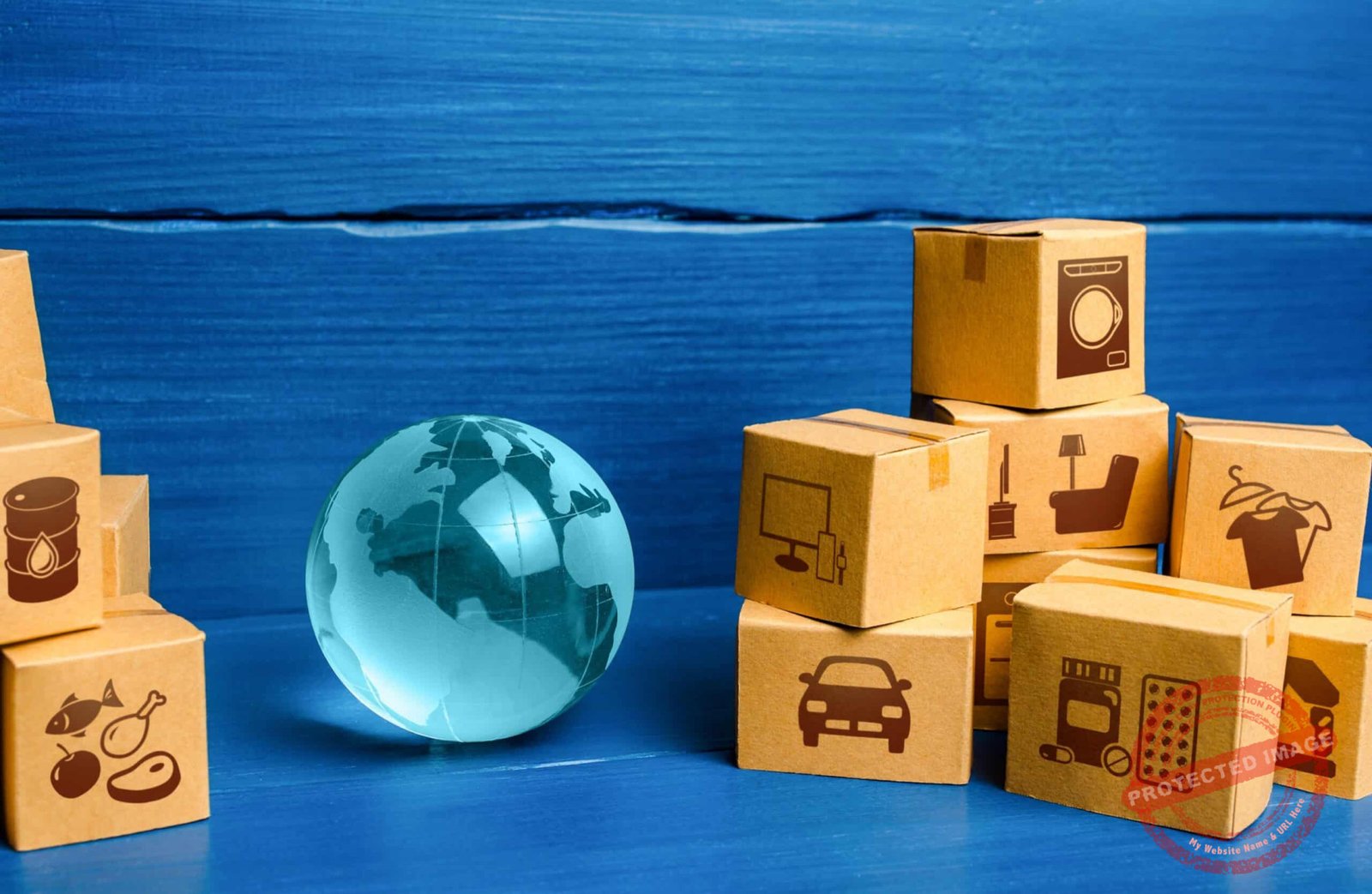
Freight: The Foundation of Trade
Freight is the lifeblood of logistics, acting as the physical link that connects worldwide supply chains. It includes the delivery of raw materials to manufacturers and completed goods to end users, serving as a link between production and demand.
What is freight?
In the delicate sector of logistics, freight is the lifeblood that keeps goods flowing from manufacturers to consumers. Understanding the role of freight in logistics is fundamental for organizations looking to improve their supply chain operations. Learn about the varied role of freight, examining its effects on efficiency, cost management, and customer satisfaction.
Understanding Freight Logistics
Freight logistics encompasses the planning, execution, and management of transporting goods. It involves a network of processes that ensure products move seamlessly through the supply chain. This includes selecting transportation modes, coordinating shipments, and managing documentation. The efficiency of freight logistics directly influences a company’s ability to meet customer demands and maintain competitive pricing.
Key Components of Freight Logistics
Every Product You Buy Depends on Freight
Millions of items arrive at stores and doorsteps daily, but the journeys they take remain largely invisible. From smartphones and coffee beans to car parts and clothing, almost every product has traveled across borders, oceans, and transport networks to reach you. This global supply chain operates as one of the most complex systems in the world, connecting freight forwarders, carriers, and logistics experts who ensure goods move safely and efficiently.
The Journey of Everyday Items
The process begins long before a product appears in a shipping container. Once manufactured, goods are carefully packed and transported to local depots or export hubs. At this stage, forwarders coordinate documentation, customs checks, and the choice of transport mode. Timing and accuracy matter because a missing document or incorrect label can delay a shipment by days. Freight management becomes critical here, as even minor mistakes in paperwork can lead to costly delays when cargo arrives at destination ports.
When cargo clears customs, shipments transfer to trucks, trains, or smaller vehicles for final delivery. The efficiency of this stage often determines whether goods reach stores or customers on time. The last leg of a shipment’s journey proves most challenging, requiring coordination between ports, warehouses, and end destinations. Multiple transfers between transport providers create potential disruption points, where a delayed truck at a port can hold up hundreds of deliveries.
The Foundation of Economic Growth
Freight operations support more economic activity than most people realize. The transportation and warehousing sector employed 294,054 establishments in 2022, with trucking accounting for 58.4% of these businesses. This extensive network creates millions of jobs while generating substantial contributions to gross domestic product.
Raw Materials to Finished Goods
Your purchased products start as raw materials, the basic components like steel, cotton, plastic, or minerals used to create goods. Suppliers provide these materials to manufacturers in the first stage of the supply chain. In the clothing industry, suppliers might provide fabric or threads, while electronics suppliers deliver microchips or metals needed for device assembly.
Following material delivery, manufacturing converts raw materials into finished products. This process happens in factories, production plants, or assembly facilities where products are packaged and prepared for shipment. Products typically don’t go directly to customers after manufacturing. Instead, they move to warehouses or distribution centers for storage until needed. These warehouses serve as holding areas where products are organized, inventoried, and prepared for transport.
Multiple Transportation Modes Working Together
Freight movement relies on several distinct transportation methods, each serving specific purposes. Road freight uses trucks to transport goods between locations, offering flexibility for both short and long distances. Rail freight handles large or bulk shipments over longer distances, particularly in regions with extensive rail networks. Sea freight transports goods internationally across oceans using cargo ships, typically for large, bulk shipments such as containers of consumer goods. Air freight provides the fastest transportation mode for high-value, time-sensitive goods such as electronics or medical supplies.
In 2015, global freight transport reached 108 trillion ton-kilometers, with 70% moving by sea, 18% by road, 9% by rail, 2% by inland waterways, and less than 0.25% by air. Merchant shipping alone carries 80 to 90% of international trade. Ocean transport remains the most cost-effective method for shipping large volumes over long distances, with a single container vessel carrying well over twenty thousand containers.
Intermodal transport combines multiple modes under different contracts for each transportation leg, while multimodal transport moves goods under a single contract using at least two modes (air, sea or land). Both methods emerged to meet the demands of globalized trade and the increasing complexity of supply chains. Freight logistics coordinates these different modes, ensuring cargo transfers smoothly at transport hubs like train stations and airports. Ground transport becomes necessary in air and sea shipments to move cargo from origin to airport or seaport, then to final destination.
Supporting Manufacturing and Retail Sectors
Freight movement proves essential for manufacturing operations and retail distribution. In 2023, trucking contributed $611.50 billion to GDP, the largest amount of all freight modes. For-hire transportation services added $244 billion, while in-house trucking operations contributed $367.50 billion. In-house transportation services across air, rail, truck, and water modes contributed $392.60 billion, representing 1.4% of GDP.
Manufacturing businesses rely on steady raw material and equipment transport, where freight reliability directly impacts production continuity. Retail and e-commerce sectors demand fast, reliable, and scalable freight services, pushing logistics providers to focus on speed, accuracy, and last-mile efficiency. Transportation and logistics improvements since 1980 freed up 7% of U.S. GDP, a benefit worth approximately $650 billion to the economy in 2003 alone.
Job Creation Across Industries
The workforce supporting freight movement extends well beyond drivers and warehouse workers. Approximately 3.48 million truck drivers work across the United States, with 59.5% operating heavy and tractor trailer trucks, 28.6% driving light and delivery service vehicles, and 12% working as drivers and sales professionals. Trucking alone accounted for 33.7% of total transportation and warehousing sector employment in 2024.
Employment patterns vary significantly across freight modes. Between 2000 and 2024, trucking, water, and pipeline industries experienced growth, while air transportation employment declined by 9.3% and rail transportation fell by 24%. Despite railroad workforce reductions, each railroad job creates 3.9 additional positions in industries like manufacturing, logistics, and technology. The industry directly employs 153,000 workers but supports 749,000 jobs nationwide through supply chains and consumer spending.
Rail workers earn 40% more than the national average, and the industry contributes $14.10 billion in Railroad Retirement benefits annually. These high-wage positions reinforce economic stability and anchor key trade corridors across the country.
Strategies for Optimizing Freight Logistics
Freight logistics is integral to the overall efficiency of supply chains. A well-structured freight system ensures that goods are delivered on time and at the right cost, which is essential for maintaining customer satisfaction and operational profitability. To enhance the efficiency of freight logistics, businesses can adopt several strategies that focus on cost reduction and improved service levels.
Enhancing Delivery Timelines
Timely deliveries are crucial for customer satisfaction. Efficient freight logistics minimizes delays by optimizing routes and schedules. Companies that invest in advanced logistics technologies can significantly reduce transit times and improve service levels.
Route Optimization
Utilizing advanced routing software can help businesses identify the most efficient paths for deliveries. This not only reduces transit times but also minimizes fuel consumption and costs.
Cost Management
Freight costs can represent a substantial portion of a company’s overall expenses. By optimizing freight logistics, businesses can reduce transportation costs through strategies such as freight consolidation and route optimization. This not only lowers expenses but also enhances profit margins.
Freight Consolidation
Combining smaller shipments into larger loads can reduce per-unit shipping costs. This strategy maximizes trailer space and minimizes handling fees, ultimately lowering overall transportation expenses.
Minimizing Disruptions
Unforeseen disruptions can severely impact supply chains. Proactive freight management, including predictive analytics and real-time tracking, allows businesses to anticipate potential issues and adjust their logistics strategies accordingly. This flexibility is essential for maintaining smooth operations.
Long-Term Carrier Relationships
Building strong relationships with carriers can lead to better pricing and priority service. Long-term contracts often provide stability and predictability in freight costs.
Conclusion
The freight industry serves as an unseen foundation, linking raw supplies to completed goods in your hands. Understanding its complexity, economic impact, and future challenges reveals why optimized freight management is more than just moving boxes; it is about enabling global commerce, supporting millions of jobs, and meeting the rising expectations of customers who demand faster, more reliable deliveries on a daily basis. Understanding the importance of freight logistics and executing efficient methods can help businesses optimize their operational performance and achieve a competitive advantage in the market.