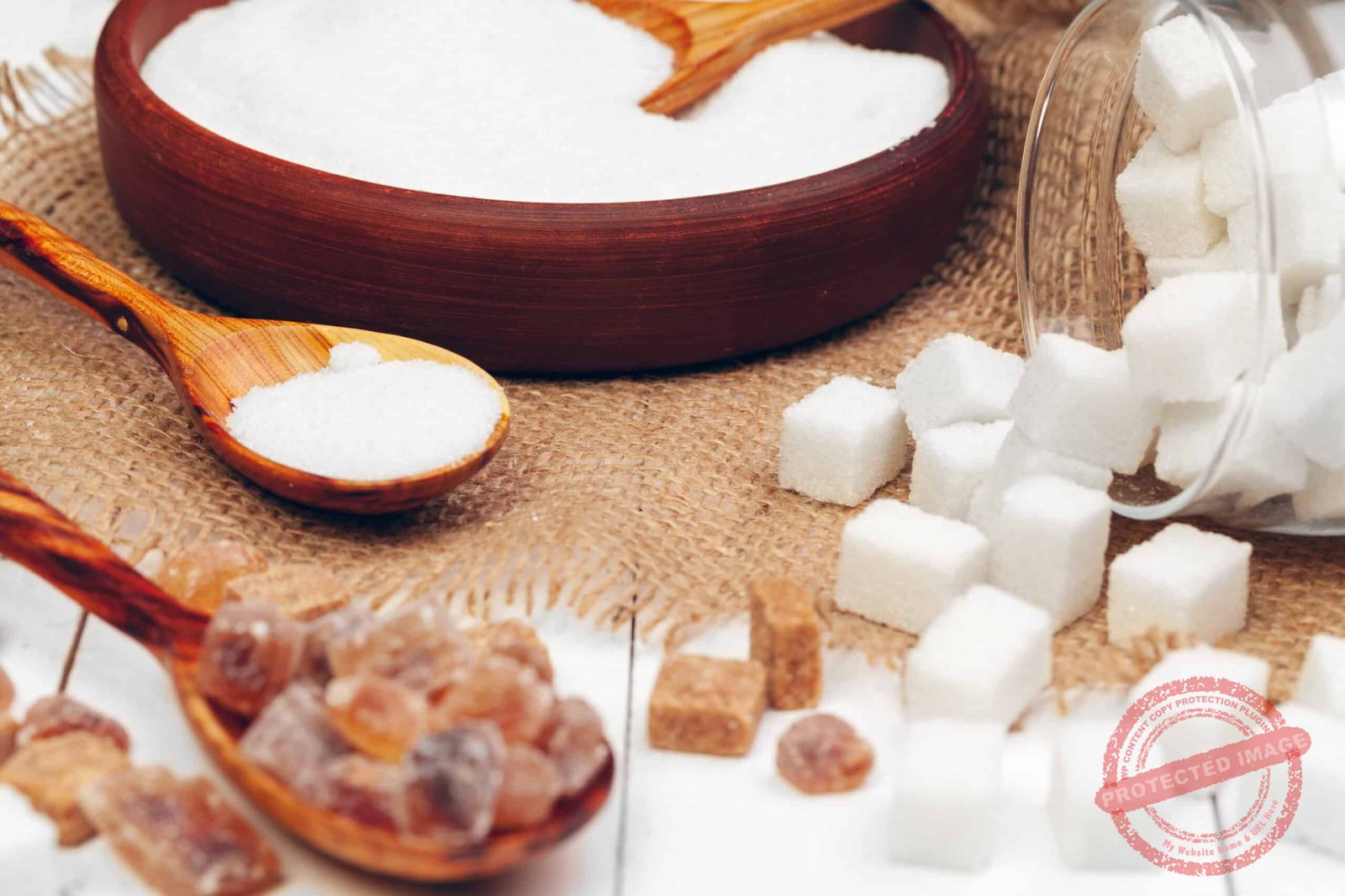
Sugar: The Sweet Facts
Sugar adds sweetness to beverages and desserts and serves as a vital ingredient in various food and beverage industries. It is one of the most widely used and consumed commodities globally.
Why Sugar Matters
Sugar is more than just a sweetener; it is a vital component of the global food industry, influencing everything from consumer choices to agricultural practices and international trade. Recognizing its complex nature from its production and consumption to the intricacies of its supply chain provides valuable insights for businesses and consumers alike.
Health Trends and Consumer Awareness
Recently, there has been a growing awareness of health issues related to sugar consumption. Many consumers are actively seeking to reduce their intake due to concerns about obesity, diabetes, and other health conditions. This sweetener has a unique place in cultural and social contexts. It is often associated with celebrations, comfort, and indulgence.
What is Sugar Made Of?
Sugar, also called sucrose, is a carbohydrate that occurs naturally in many plants. Sugar production comes from two main sources: sugarcane and sugar beets.
The Sugar Market
The sugar market is a colossal sector, generating billions in revenue and impacting countless lives. The primary producers of sugar include Brazil, India, and Thailand, with Brazil leading the charge as the top exporter. With its various applications in food and beverage production and as a household staple for sweetening, the profitability of the sugar industry has immense significance.
Major Global Producers and Consumers
Brazil stands out as the largest sugar producer, accounting for approximately 24% of global production and a staggering 45% of total exports. Following Brazil, India ranks as the second-largest producer and the world’s foremost consumer, with China and the United States trailing closely behind.
Cargill: Global Sugar Powerhouse
Cargill dominates the sugar market due to its massive production capabilities, advanced refining processes, and a global network for distribution and trading. The company operates in Brazil, the largest sugar producer and exporter in the world. It owns and operates many sugar mills and refineries. Cargill has a strong presence in Brazil and holds a significant market share in the international trade.
Apart from Brazil, Cargill has established a strong foothold in other key sugar-producing regions like India, Thailand, Australia, the United States, and Canada, allowing it to effectively cater to a broad customer base around the world. Furthermore, Cargill excels in risk management and commodity trading, allowing it to navigate volatility in sugar prices and secure favorable deals in the global market.
Supply Chain Dynamics
The supply chain of sugar is complex, and it involves multiple stages from production to consumption. Factors such as weather conditions, crop diseases, transportation logistics, and international trade regulations influence the availability and pricing of sugar in the market.
Market Volatility and Influencing Factors
These supply chains are particularly vulnerable to climate change, as any disruptions in sugarcane or sugar beet cultivation can lead to shortages and price volatility. Extreme weather events, like hurricanes or droughts, can significantly impact production regions, causing delays and affecting the overall supply chain.
Tariff-Rate Quotas (TRQs)
The U.S. employs a system of tariff-rate quotas to regulate sugar imports. This system allows a certain quantity of sugar to be imported at a lower tariff rate, while any excess incurs a higher tariff. By controlling the volume of sugar entering the market, TRQs help stabilize prices and ensure a reliable supply for consumers. TRQs aim to protect domestic sugar producers while fulfilling international trade commitments.
Production and Processing
Sugar is derived from two primary sources: sugarcane and sugarbeets. The production process involves several stages, including cultivation, harvesting, extraction, and refining.
Storage and Distribution
The U.S. boasts over 90 strategically located sugar factories and storage facilities, ensuring timely delivery across the nation. The logistics of transporting sugar require specialized equipment to maintain quality and prevent contamination. This includes temperature-controlled tankers for liquid sugar and food-grade containers for dry sugar.
Conclusion
Sugar, derived from sources like sugarcane and sugar beets through an intricate refining process, is undoubtedly one of the most widely used commodities worldwide. It sweetens our favorite treats, acts as a preservative, aids in fermentation, and even powers our vehicles sustainably. Industries ranging from food and beverages to pharmaceuticals, distilleries, and biofuel production depend on this essential commodity.
The sugar industry remains a highly profitable sector, offering opportunities for both established players and new market entrants. Among the major companies engaging in the production, distribution, and trading of sugar, Cargill Incorporated emerges as the dominant force. With its global reach and superior supply chain capabilities, Cargill sets the benchmark for the industry.